
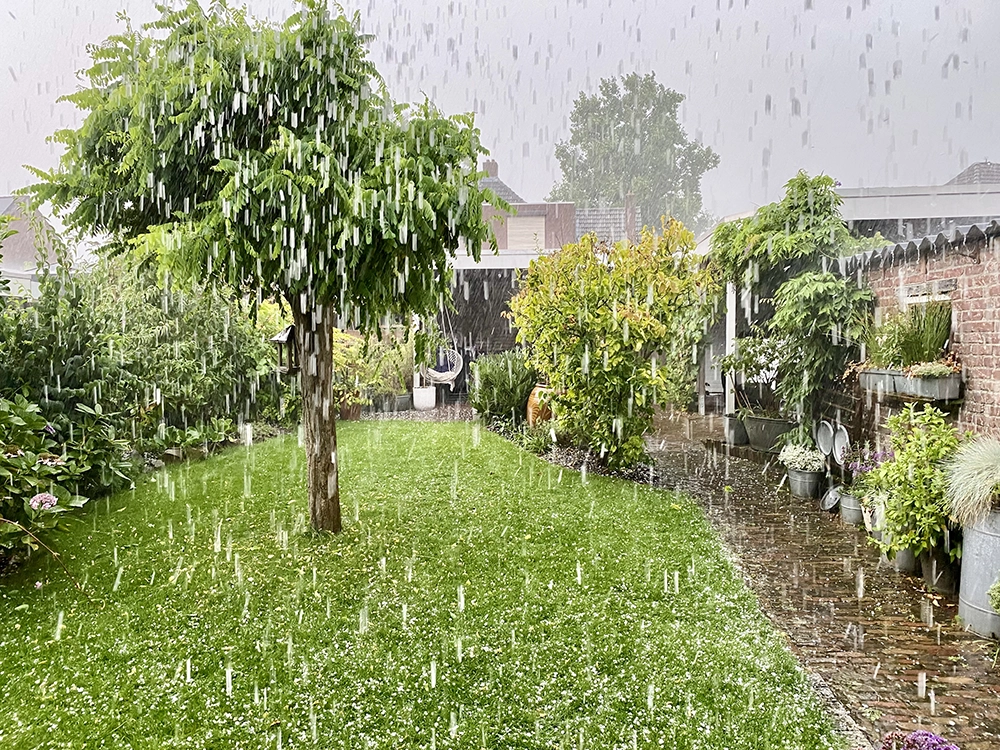
Hailstorms can strike fast and cause serious damage in minutes, from cracked windows and dented siding to battered roofs and vehicles. A few smart precautions before severe weather hits can help protect your home, limit repairs, and reduce disruption. Use these tips to lower your risk of hail damage.
Protect Your Roof
Follow these guidelines to protect your roof from hail damage:
Have Professionals Install Your Roofing
Use only qualified roofers to install and maintain your roof. Research local roofing companies and read the reviews. Having trusted recommendations is advisable when it comes to contracting roofing technicians.
Use Quality Roofing Materials
The right roofing materials can make a big difference when hail hits. In hail-prone areas, consider heavy-duty, impact-resistant shingles with a recognized rating, such as Class 4. They cost more upfront, but can better resist hail and high winds, reduce repair needs, last longer, and may qualify for insurance savings.
Conduct Regular Roof Inspections
Inspect your roof regularly, especially after storms. Loose shingles, cracks, worn surfaces, or hail-eroded granules can leave your roof exposed to more damage, including UV deterioration. Catching small issues early can help prevent bigger, costlier repairs.
Protect Your Windows
Hailstones of any size can damage your windows. Unless you have special impact-resistant glass, installing awnings or storm shutters will offer the best protection from hail, significantly reducing the likelihood of breakage.
For the strongest protection, choose secure storm shutters or fold-down metal awnings that cover the full window and lock in place. Sturdy temporary shutters or pre-cut plywood panels can also help when installed before the storm, giving your windows a much better chance against hail than leaving them exposed.
Keep Your Trees Trimmed
Trees do not provide protection for your roof. They can become hazardous during storms if branches break away and fall onto your home. Trim weak or cracking branches and remove any that are too close to your roof, even if they look strong.
Protect Your Car
Hail can crack windshields, dent body panels, and damage paint in minutes. If storms are forecast, park in a garage or covered area, or shelter beside a building away from the wind and trees. No cover available? Secure thick blankets or a hail cover over the vehicle. If you are driving, get under cover when possible, or face into the hail to better protect the side and rear windows.
Know Your Insurance Policy
Before hail season, review your insurance policy so you know exactly what is covered. Confirm whether hail damage applies to your home, other structures, and belongings, ask about any wind or hail deductible, and check whether additional living expenses are included if repairs force you to relocate.
What to Do After the Storm
After a hailstorm, and when it is safe to do so, document damage with photos or videos and contact your insurer. Take temporary measures to prevent further damage, such as covering broken windows and cleaning up shattered glass.
Know Who to Turn To
Severe weather damage to your home can leave you feeling overwhelmed. Having a trusted home restoration company selected in advance can help you respond quickly and confidently in a time of distress. Keep their contact information on your emergency list.
ServiceMaster Restore has been a leader in home restoration for over 70 years. Our hail damage restoration specialists can assist with your insurance claim and guide you through every step of the process to restore both your home…and your peace of mind.